


When Do You Need an Easement Valuation?
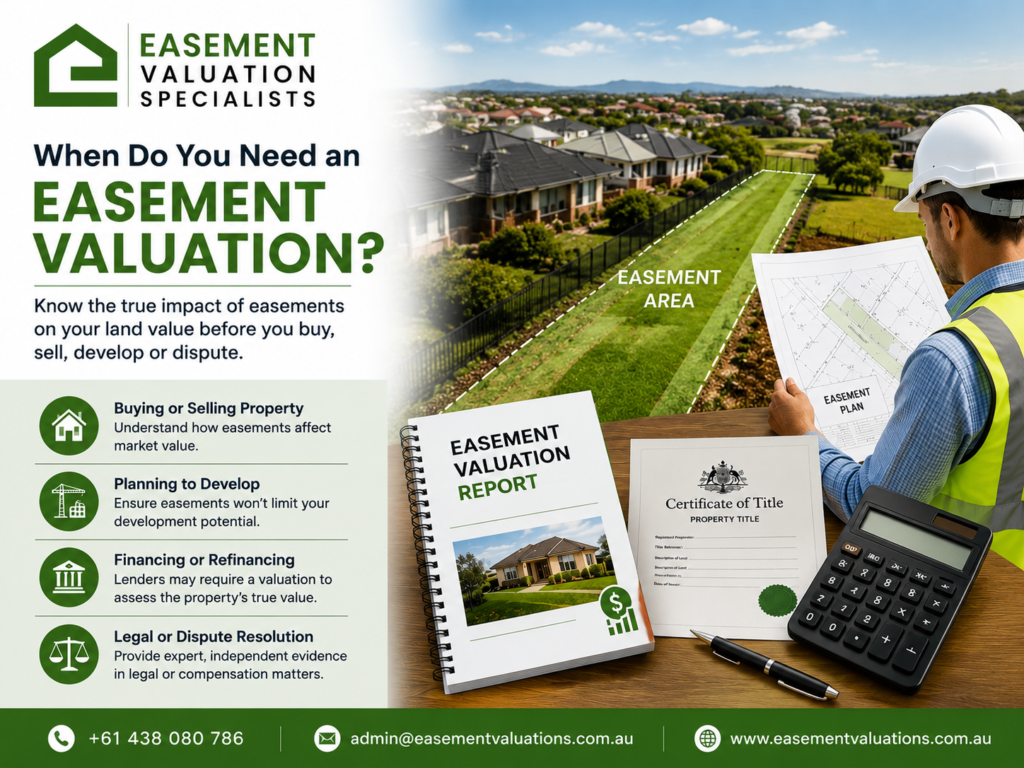
An easement can quietly reshape what a property owner can actually do with their land, restricting building, landscaping or future development in ways that are not always obvious until a specific situation brings the issue into sharp focus. Understanding the purpose of an easement valuation helps property owners determine how much a particular easement may reduce a property’s value compared with what it could be worth without that restriction. Knowing when this type of assessment becomes necessary can also prevent considerable difficulty when compensation, a sale or a legal matter depends on establishing a reliable figure.
This guide explains what an easement valuation actually measures, the situations that commonly require one, and how the assessment differs depending on the type of easement involved and the purpose the valuation needs to serve.
SUMMARY
What This Article Covers
This guide explains what an easement valuation involves and the situations that most commonly require one, including compensation for a newly created easement; property sales involving an existing encumbrance; legal disputes; and transfers affecting easement-burdened land. It covers the common types of easements found across Australian properties, how a valuer approaches quantifying easement impact, and what separates a properly prepared easement valuation from a general observation that a property is simply worth less because of the encumbrance. It also answers the questions property owners ask most often about when this type of assessment genuinely becomes necessary.
What an Easement Valuation Actually Measures
An easement valuation assesses the specific reduction in value an easement causes to a property, comparing what the property would be worth entirely free of the encumbrance against its value with the easement in place. This is a genuinely different exercise to a standard property valuation, since it requires isolating the precise impact of the easement itself rather than simply valuing the property as it currently stands with the encumbrance already factored in as a general impression.
Understanding an easement’s effect on value means going beyond simply noting that a restriction exists. A valuer must assess how the easement affects the property’s usable area, development potential and appeal to prospective buyers, providing property owners, authorities and courts with a defensible figure rather than a general assumption that the property is worth less.
Common Types of Easements That Require Valuation
Several types of easements commonly appear across Australian properties, each affecting a site differently depending on its nature and location.
Stormwater and Drainage Easements
Stormwater easement compensation often involves assessing how a drainage corridor restricts building and landscaping within the easement area, since these restrictions can meaningfully reduce the usable portion of a residential or commercial site.
Pipeline Easements
Pipeline easement compensation typically requires assessing both the immediate impact of the easement corridor itself and any broader restrictions the pipeline’s presence places on future development or use of the surrounding land.
Transmission Line Easements
Transmission line easement compensation frequently involves more significant value impacts than smaller utility easements, given the width of the corridor typically required and the visual and practical restrictions these easements can place on a property.
Right of Way and Access Easements
These easements grant another party the right to cross a property to access adjoining land, which can affect privacy, usable space, and the overall appeal of the affected parcel to a prospective buyer.
Compensation for a Newly Created Easement
One of the most common reasons property owners need an easement valuation arises when an authority creates a new easement over their land.
Entitlement to Compensation
Where an authority creates a new easement, whether for a pipeline, transmission line, or drainage infrastructure, the affected owner is generally entitled to compensation reflecting the genuine reduction in value that easement causes, and an independent valuation establishes the figure that compensation should be based on.
Negotiating With the Acquiring Authority
Property owners negotiating compensation directly with an acquiring authority benefit significantly from independent evidence of the easement’s genuine impact, since relying solely on the authority’s own assessment can mean accepting a figure that understates the true effect on the property.
Property Sales and Purchases Involving an Existing Easement
Buyers and sellers dealing with a property already affected by an easement benefit from understanding exactly how much that encumbrance affects value, rather than relying on a general impression.
Informing a Fair Sale Price
A seller with an accurate easement valuation understands how the encumbrance genuinely affects their asking price, while a buyer benefits from independent evidence confirming whether a discounted price properly reflects the easement’s actual impact rather than an assumed or exaggerated effect.
Supporting Pre-Purchase Due Diligence
Buyers considering a property affected by an easement benefit from obtaining an independent assessment before finalizing an offer, ensuring they understand the genuine impact on development potential or future use before committing to the purchase.
Legal Disputes and Litigation Involving Easements
Where a dispute arises over an easement’s impact on value, whether between neighbors, with an acquiring authority, or as part of a broader legal proceeding, an easement valuation expert witness plays an essential role.
Litigation Valuations for Easement Disputes
Litigation valuations prepared to expert witness standards give the parties, or a court, a defensible figure to work from when an easement’s impact on value is genuinely contested, rather than relying on competing, self-interested estimates from each side.
Property Valuation for Court Purposes
Where an easement dispute proceeds to a formal hearing and expert valuation evidence is relied on, the valuer must comply with the applicable expert witness code of conduct and duties, court rules and directions, and explain the facts, assumptions and reasoning supporting the opinion.
Family Law and Tax-Related Transfers Involving Easement Land
Beyond compensation and disputes, several other situations require an easement valuation as part of a broader property assessment.
Family Law Property Settlements
Where a property affected by an easement forms part of a family law settlement, family law property valuations need to properly account for how the encumbrance affects the property’s value, rather than treating the site as though it were unaffected.
Stamp Duty and Capital Gains Tax Transfers
Where an easement-affected property is transferred between related parties, stamp duty valuation NSW requirements and capital gains tax valuation purposes both depend on an accurate figure that properly reflects the easement’s impact on the property’s genuine market value.
How a Valuer Quantifies Easement Impact
Assessing the true impact of an easement requires a methodical approach that goes well beyond a general observation that the property is affected.
Comparing Before and After Scenarios
The valuer assesses the property’s value as though the easement did not exist, then compares this against its value with the easement in place, isolating the specific impact attributable to the easement itself rather than other factors affecting the property.
Considering Practical Use Restrictions
Beyond the physical area affected, the valuer considers how the easement practically limits the owner’s use of the property, including any restrictions on building, landscaping, or future development potential that would not otherwise apply.
When an Easement Valuation Is Needed
● When an authority creates a new easement over a property
● When negotiating compensation for a stormwater, pipeline or transmission line easement
● When buying or selling a property affected by an existing easement
● When a dispute over an easement’s impact requires independent evidence
● When an easement-affected property forms part of a family law settlement
● When a stamp duty or capital gains tax transfer involves easement-affected land
Frequently Asked Questions
Q: What is an easement valuation?
A: It is an independent assessment of how much an easement reduces a property’s value, comparing the property’s value with and without the easement in place.
Q: Am I entitled to compensation if an easement is created over my property?
A: Generally yes. Property owners are typically entitled to compensation reflecting the genuine reduction in value caused by a newly created easement.
Q: Does every type of easement affect value the same way?
A: No. The impact depends on the type of easement, how much of the property it affects, and how significantly it restricts building or development potential.
Q: Should I get an easement valuation before buying an affected property?
A: Yes. An independent assessment helps buyers understand the genuine impact on development potential or future use before committing to a purchase.
Q: Can an easement valuation be used in a legal dispute?
A: Yes. Easement valuations prepared to expert witness standards are commonly used in litigation matters involving a disputed easement impact.
Q: Does an easement affect a property’s value for stamp duty purposes?
A: Yes. Where an easement-affected property is transferred, the valuation needs to properly reflect the encumbrance’s impact on genuine market value.
Q: Who should prepare an easement valuation?
A: An experienced, independent valuer familiar with easement compensation matters should prepare the report, given the specialised comparison this type of assessment requires.
CONCLUSION
An easement can meaningfully affect what a property owner can do with their land, and understanding exactly how much value that easement removes requires a dedicated, independent assessment rather than a general impression. Whether the situation involves compensation for a new easement, a property sale, a legal dispute, or a family law or tax-related transfer, an easement valuation gives everyone involved a defensible figure to rely on.
Engaging an experienced valuer with genuine easement expertise remains the most reliable way to arrive at a figure that will hold up wherever it needs to be relied upon.
Need an Easement Valuation? Contact Easement Valuations
Easement Valuations prepares independent easement valuations for property owners, authorities, and legal advisers across NSW, assessing the genuine impact of stormwater, pipeline, transmission line, and access easements on property value. Our valuers are experienced in compensation negotiations, property transactions, and litigation matters.
Visit easementvaluations.com.au | NSW-Wide